
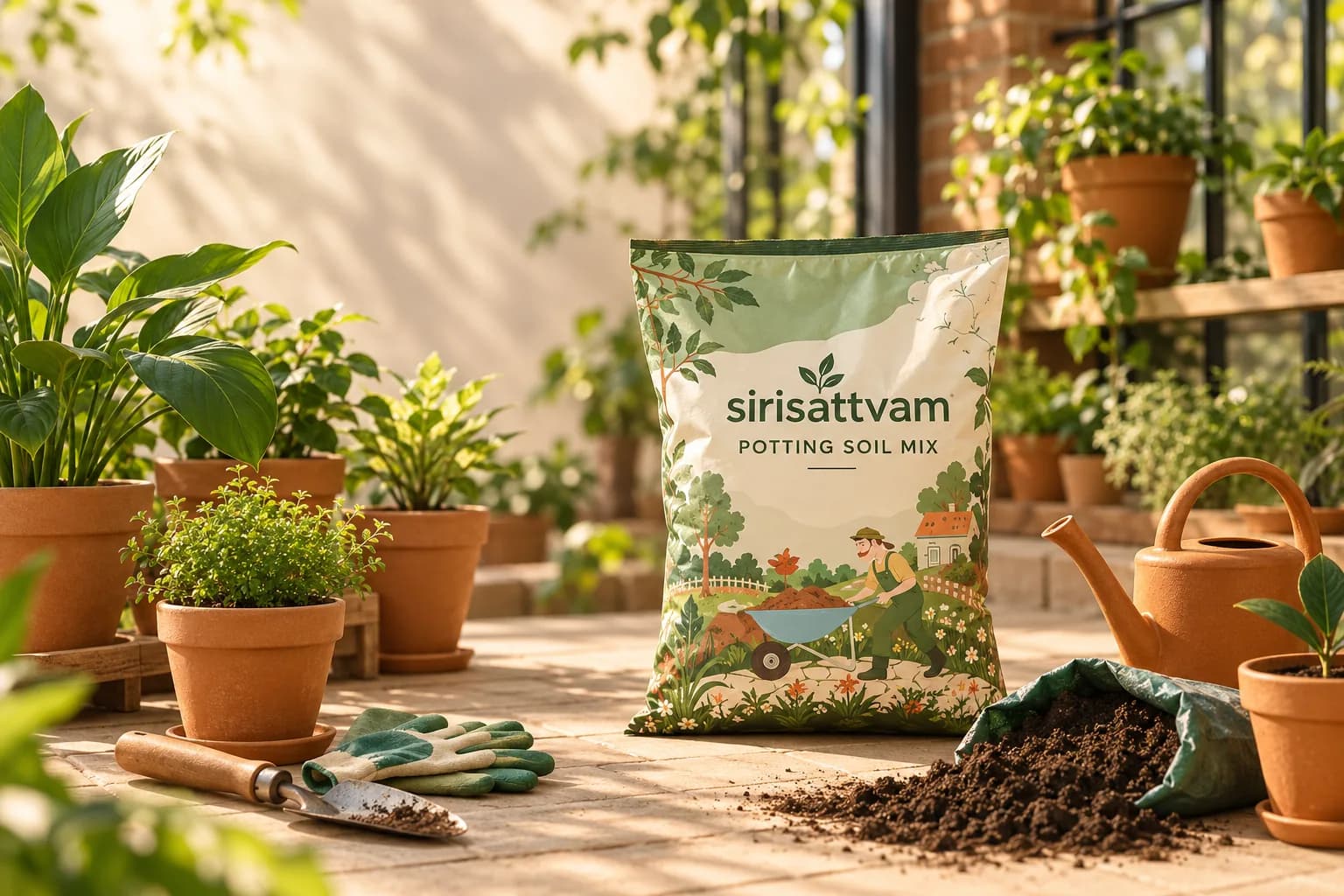
Soil Secrets: Discover the Perfect Mix for Your Green Friends
March 14, 2026
The right soil mix is the silent hero behind every thriving plant. Whether you're repotting a succulent or nurturing a fern, the foundation you give your plant decides everything from root health to hydration.
Ask any seasoned plant parent and they'll tell you the same thing: most plants don't die from neglect alone. They die from wrong soil. The right growing medium is the difference between a plant that merely survives and one that genuinely thrives.
Why Soil Mix Matters More Than You Think
Commercial potting soil is a great starting point, but it is rarely the perfect solution for every plant. Straight out of the bag, it may compact over time, retain too much moisture for desert natives, or drain too fast for moisture-loving tropicals. Understanding your plant's root biology is the first step toward building the ideal mix.
Roots need three things from soil: anchorage, nutrients, and crucially, oxygen. Waterlogged soil starves roots of oxygen, causing the dreaded root rot. Sandy, nutrient-poor soil drains too fast for roots to absorb water at all. The perfect mix sits in the sweet spot between the two.
The Core Building Blocks of a Great Soil Mix
1. Perlite: The Aeration Agent
Perlite is a volcanic glass mineral that looks like tiny white balls. It is lightweight, pH-neutral, and does not compact. Adding 20–30% perlite to any mix dramatically improves drainage and keeps air pockets open around roots.
2. Cocopeat (Coir): The Water Retainer
Made from coconut husk fibres, cocopeat holds moisture remarkably well while remaining airy. It is an eco-friendly alternative to peat moss and is widely available across India. It is the backbone of most tropical and vegetable mixes.
3. Vermicompost: The Nutrient Powerhouse
Vermicompost is worm-processed organic matter. A 10–20% addition provides a slow-release nutrient source and introduces beneficial microbial activity that suppresses soil-borne diseases and improves root immunity.
4. River Sand or Coarse Sand: The Drainage Booster
For cacti, succulents, and other xeric plants, coarse river sand is essential. It prevents moisture from sitting around roots and mimics the rocky, arid soils these plants evolved in. Never use fine beach sand, as it compacts and suffocates roots.
Plant-Specific Recipes
- Succulents & Cacti: 40% coarse sand + 40% perlite + 20% potting soil
- Tropical Foliage (Pothos, Philodendron): 50% cocopeat + 30% perlite + 20% vermicompost
- Flowering Plants (Rose, Hibiscus): 40% garden soil + 30% cocopeat + 20% vermicompost + 10% perlite
- Orchids: 60% bark chips + 20% perlite + 20% sphagnum moss
- Ferns & Moisture Lovers: 60% cocopeat + 20% perlite + 20% vermicompost
- Vegetable Seedlings: 40% cocopeat + 30% vermicompost + 20% perlite + 10% neem cake
Signs Your Soil Mix Needs Changing
- Water pools on the surface and takes more than 30 seconds to drain: the mix is too compacted.
- Soil dries out completely within 24 hours: it needs more moisture-retaining material.
- White crusty deposits on the soil surface (salt build-up from hard water); flush with clean water or refresh the mix.
- Roots are emerging from the drainage holes and the plant has stopped growing: it's time to repot with fresh mix.
- Yellowing lower leaves despite correct watering (nutrient depletion); top-dress with vermicompost.
Tip: Always sterilise garden soil before use by baking it at 90°C for 30 minutes. This eliminates fungal spores, pests, and weed seeds that would otherwise attack your plant roots.
When to Refresh Your Mix
Most potting mixes should be refreshed or replaced every 1–2 years. Organic material breaks down over time, compressing the mix and reducing its ability to hold air. A full repot with fresh soil is like giving your plant a brand-new lease on life.
“Feed the soil, not just the plant. A living, breathing soil ecosystem is the greatest gift you can give any plant.”
— Common permaculture wisdom
Start simple, observe how your plant responds, and adjust the ratios over time. Every plant has its preferences, and once you crack the code, the results speak for themselves.